
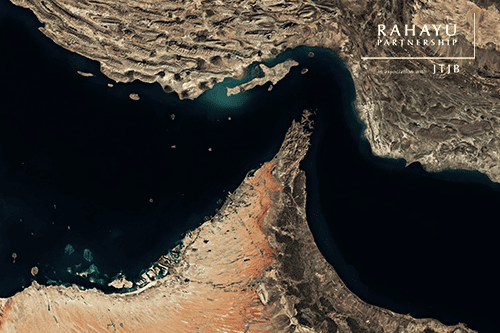
Maritime Disruption in the Strait of Hormuz: Key Legal Implications for Malaysian Businesse
1. Overview
Recent escalation of conflict in West Asia has significantly disrupted maritime activity in the Strait of Hormuz, a critical global shipping chokepoint. The disruption has led to increased insurance costs, route uncertainty, and supply chain instability.
Although geographically distant, Malaysia is directly affected due to its reliance on global maritime trade and its strategic position along the Strait of Malacca.
2. Key Legal Issues Under Malaysian Law
(A) Force Majeure – Contractual Mechanism
Under Malaysian law:
- Force majeure is not implied — it must be expressly provided in the contract
- Its scope depends entirely on the wording of the clause
Practical implications:
- War, hostilities, or “acts of God” may fall within force majeure only if expressly included
- General clauses may not cover:
- Increased cost
- Difficulty or delay alone
Courts in Malaysia typically adopt a strict interpretation:
- A party must show:
- The event falls within the clause
- It directly prevents or delays performance
- Reasonable steps to mitigate were taken
Key risk:
- Clients may assume geopolitical conflict automatically excuses performance — this is often incorrect.
(B) Doctrine of Frustration – Contracts Act 1950
Where no force majeure clause exists:
- Section 57(2) of the Contracts Act 1950 applies:
- A contract becomes void when performance becomes impossible or unlawful.
High threshold:
- Must be radical change, not mere inconvenience
- Increased cost, delay, or commercial hardship is not sufficient
- Frustration may apply where:
- Shipping route becomes legally or physically inaccessible
- Government restrictions make performance unlawful
- But will NOT apply where:
- Alternative routes exist (even if more expensive)
- Performance is still possible with delay
Malaysian courts generally follow English law principles:
- Frustration is narrowly applied.
(C) Insurance Obligations & Risk Allocation
From a legal perspective:
- Shipping and trade contracts often require:
- Maintenance of valid marine and war-risk insurance
- Compliance with insurer conditions
Current risk environment:
- War-risk premiums may increase significantly
- Insurers may:
- Impose exclusions
- Withdraw cover
- Trigger “notice of cancellation” provisions
Legal consequences:
- Failure to maintain insurance may constitute:
- Breach of contract
- Loss of financing arrangements
(D) Delay, Liquidated Damages & Breach
If shipments are delayed:
- Parties remain liable unless:
- Protected by force majeure
- Contractually excused
Exposure includes:
- Liquidated damages (LAD)
- Claims for late delivery
- Termination rights
Under Malaysian law:
- Courts will enforce contractual timelines unless legally discharged
(E) Sanctions & Regulatory Compliance
Given the conflict:
- Increased risk of:
- Secondary sanctions
- Prohibited trade routes or counterparties
Malaysian companies must:
- Ensure compliance with:
- UN sanctions regimes
- Banking and trade restrictions
Breach may result in:
- Contract invalidity
- Banking/payment disruption
3. Key Commercial Implications for Malaysian Clients
Shipping & Logistics
- Vessel rerouting → longer transit times
- Port congestion in Southeast Asia (including Malaysia)
Energy Sector
- Possible disruption to oil and LNG flows
- Increased procurement cost
Financing & Trade
- Lenders may require:
- Proof of insurance
- Risk reassessment
4. Practical Steps (Recommended)
We recommend Malaysian clients take the following:
Contract Review
- Examine:
- Force majeure clauses
- Delay and termination provisions
- Clarify allocation of:
- War risk
- Increased cost
Insurance Audit
- Confirm:
- War-risk cover remains valid
- Premium increases and exclusions
- Engage insurers early
Risk Mitigation
- Consider:
- Alternative shipping routes
- Renegotiation of delivery timelines
Compliance Check
- Screen:
- Counterparties
- Cargo routes
- Monitor sanctions developments
Documentation
- Maintain records of:
- Disruptions
- Notices
- Mitigation efforts
Critical for:
- Defending force majeure claims
- Avoiding disputes
5. Malaysian Strategic Perspective
Malaysia’s position along the Strait of Malacca means:
Disruption in the Middle East can:
- Cascade into Southeast Asia
- Affect port operations and shipping traffic
This reinforces:
- The need for maritime resilience
- Proactive legal and contractual risk management
6. Conclusion
The current crisis highlights a key legal reality under Malaysian law:
Commercial difficulty does not equal legal excuse.
- Force majeure must be clearly drafted
- Frustration is rare and narrowly applied
- Insurance and contractual compliance remain critical
Businesses should act early to:
- Manage exposure
- Preserve contractual rights
- Avoid disputes
By Rahayu Partnership, Malaysia
Law Firm Website: www.rahayupartnership.com